
Public Space Protection Orders (PSPOs) are widely used by local authorities across the UK to address anti-social behaviour in public spaces. However, enforcement can only be effective when residents clearly understand the rules.
This is where PSPO signage plays a critical role. Clear, visible Public Space Protection Order signs help councils communicate restrictions, support enforcement officers, and reduce confusion among residents and visitors.
This guide outlines what effective PSPO signage looks like, common mistakes to avoid, and how councils can maximise compliance.
PSPO signage refers to the official signs used by councils to inform the public about restrictions introduced through a Public Space Protection Order.
PSPOs are typically used to regulate behaviours such as:
For a PSPO to be enforceable, the restrictions must be clearly communicated to people using the area. This means signage must be visible, understandable and placed in relevant locations.
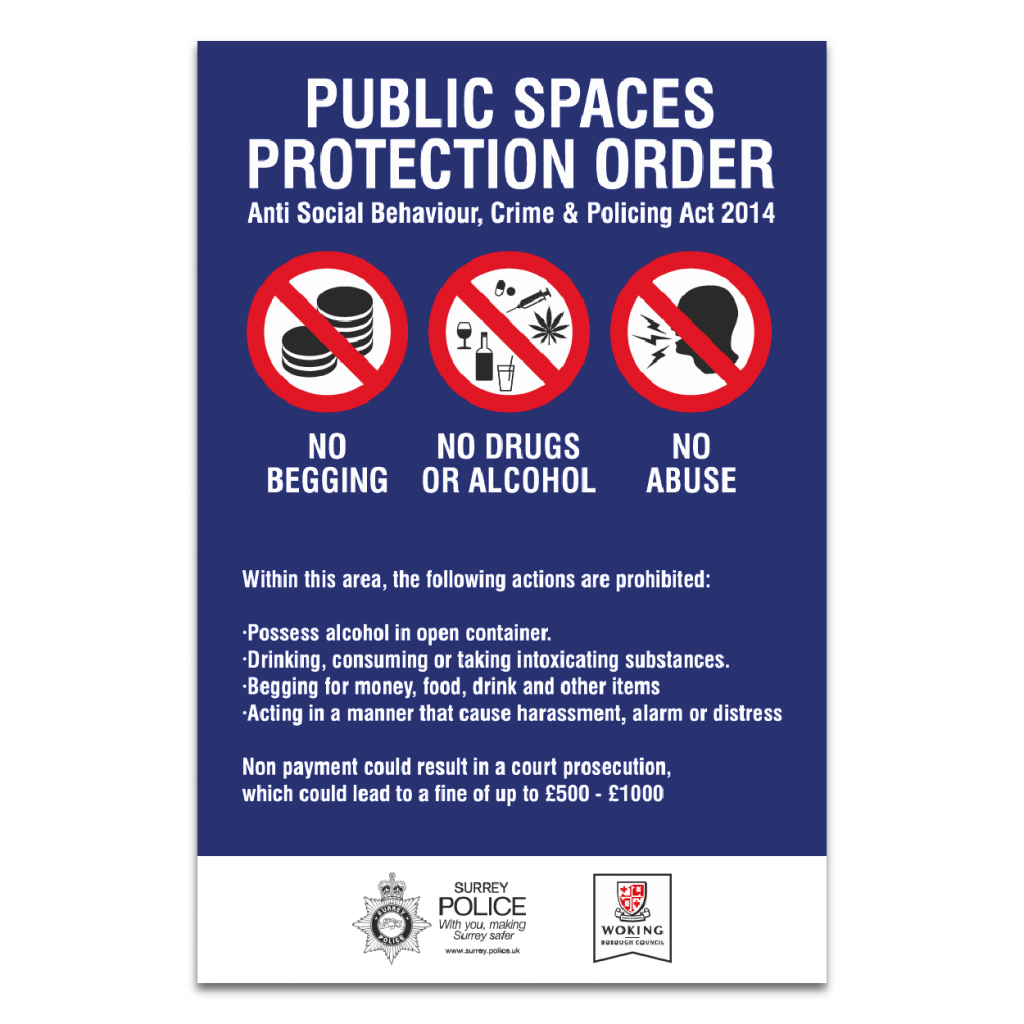
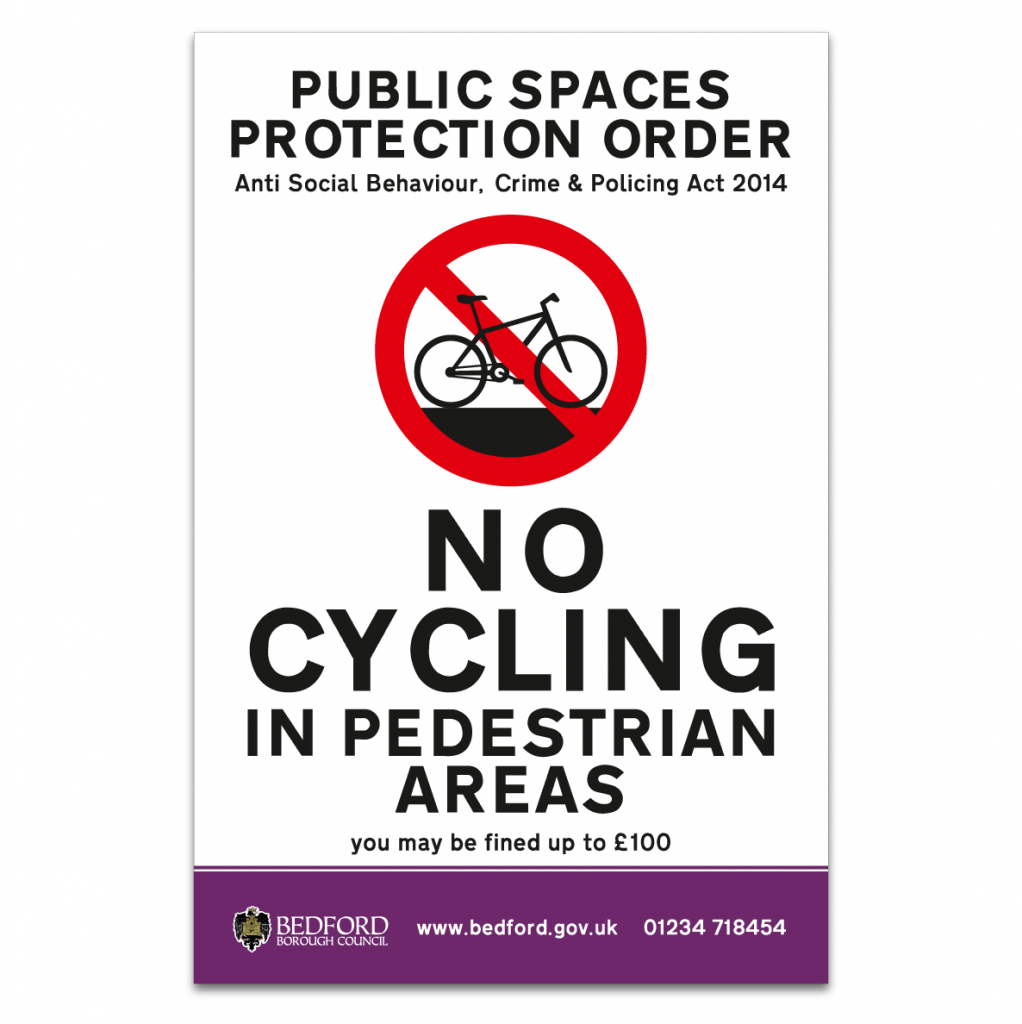
Typical PSPO signs for councils include:
Without clear signage, enforcement can become difficult and residents may challenge penalties.
Across UK local authorities, several common best practices have emerged when implementing PSPO signage.
Generic borough-wide posters rarely influence behaviour.
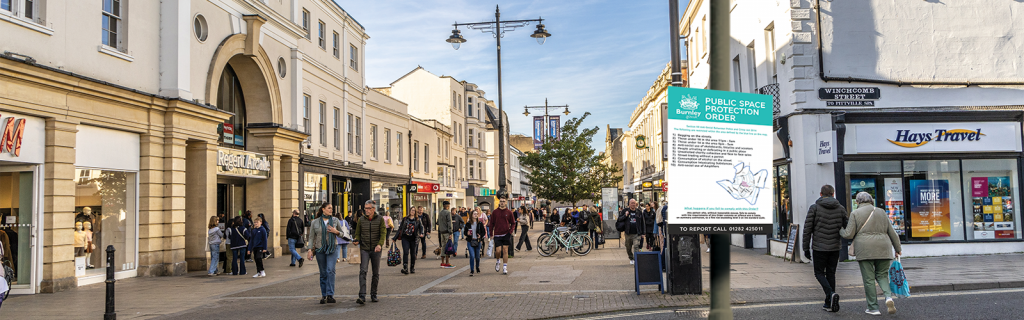
Instead, councils see better results when PSPO signs are placed exactly where the behaviour occurs, such as:
Residents respond better to clear and direct messaging.
Best practice for PSPO sign wording includes:
The goal is for residents to understand the restriction within seconds of seeing the sign.
Many councils now include universal icons on PSPO signage, such as:
Icons improve accessibility and help communicate restrictions to:
Co-branding signage with council and police logos also strengthens credibility and reinforces the legitimacy of enforcement activity.
Temporary signage often deteriorates quickly in outdoor environments.
For long-term PSPO implementation, councils increasingly use:
Using durable PSPO signage materials reduces replacement costs and ensures the signage continues to communicate authority.
Weathered or damaged signs can undermine the seriousness of the restrictions.
When signage appears without explanation, residents may perceive the restrictions as sudden or unfair.
The most successful PSPO implementations combine signage with:
While there are clear best practices, councils also report common mistakes that reduce the effectiveness of signage.
Signs filled with legal text, definitions or maps are rarely read by the public. Long or complicated signage can also increase the risk of challenges during enforcement.
Generic “No anti-social behaviour” posters often fail because they do not address specific behaviours occurring in the area. Behaviour-specific messaging is far more effective.
Inconsistent fonts, colours or logos across departments can create confusion. Councils should aim for consistent PSPO signage design across the borough.
Without regular checks, signs can become: Graffiti-covered, faded, damaged or outdated. An annual maintenance plan ensures signage remains clear and credible.
NSP works with local authorities across the UK to produce durable, high-visibility PSPO signage designed for long-term outdoor use.
If you’re planning a new Public Space Protection Order or reviewing your current signage, our team can help with design, materials and production.
Contact us today on sales@nsprint.net to discuss your PSPO signage requirements or give us a call on 0115 973 3323.
If you don't see what you are looking for or need more information, feel free to reach out! Whether you'd like to request details, place an order, or get a quote, we're here to help.
Never miss out on the latest updates, exclusive offers and more! Follow NSP on social media and stay in the loop with everything we have to offer.


